
 10435 S Rainbow Blvd Ste A105 Las Vegas, NV 89178
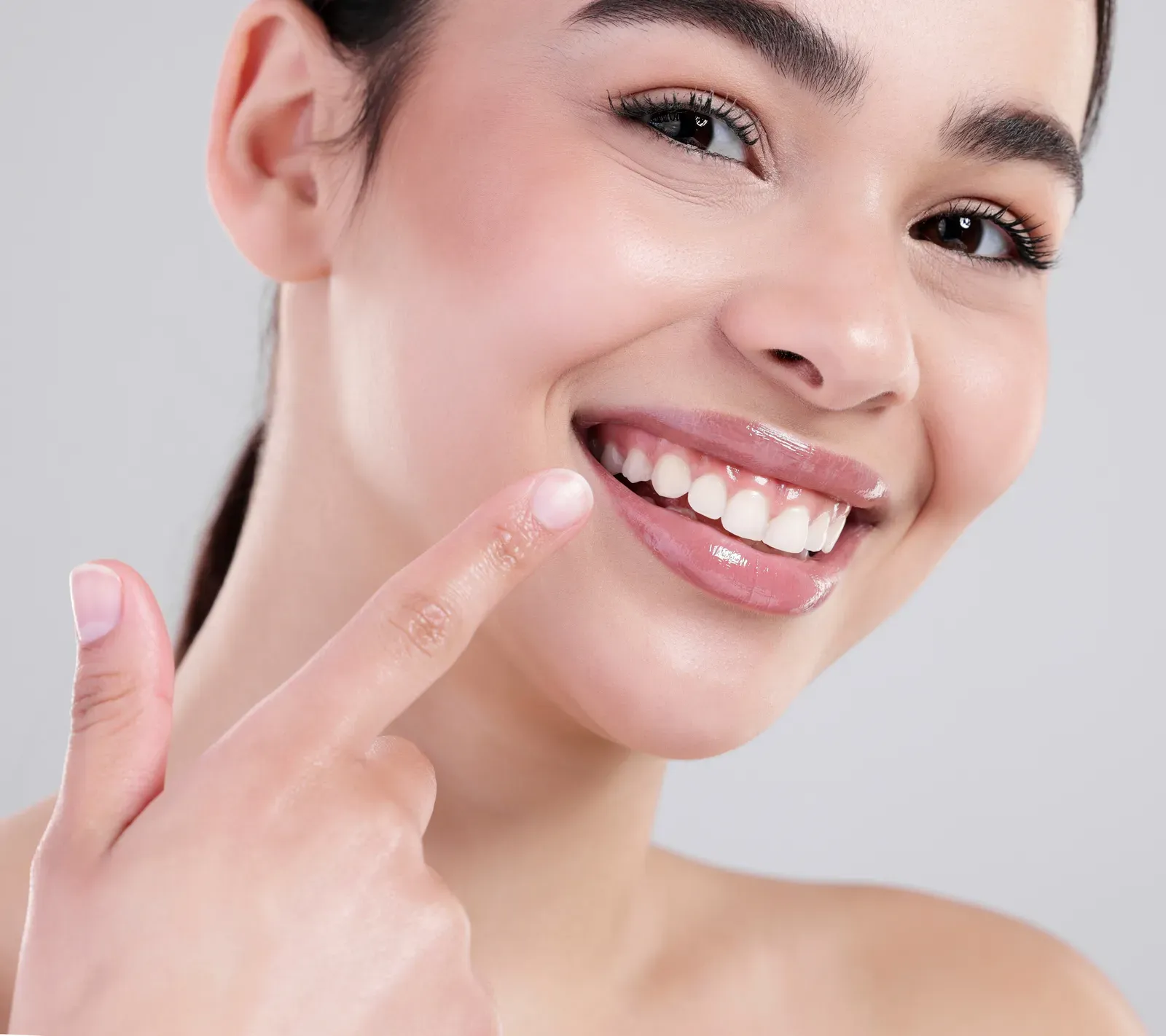
Most people don't walk into a dental office already knowing the difference between a veneer and a crown, or how long whitening results actually hold up. That's completely normal. Cosmetic dentistry sits at an odd intersection of medicine and personal style, and the internet is full of conflicting claims about what it costs, how much it hurts, and whether the results look natural.
At Elevate Dental, we field the same handful of questions from patients across Mountain's Edge almost every week. Some arrive curious about a brighter smile before a wedding. Others want to fix a chipped front tooth they've been self-conscious about for years. Whatever brings someone in, the questions tend to overlap, and answering them clearly up front makes the whole experience less intimidating.
This article walks through the questions we hear most often, with plain, direct answers based on what actually happens in the chair, not marketing copy. If you've been thinking about improving your smile but aren't sure where to start, this should give you a realistic picture.
In This Article
What Actually Counts as Cosmetic Dentistry?
Cosmetic dentistry is a broad term, and that's part of why it confuses people. It covers anything done primarily to improve how your teeth and smile look, rather than purely to treat disease or restore basic function, though the two categories overlap more than most people realize. A chipped tooth, for example, might need a repair for structural reasons and end up looking better as a side effect.
In practice, the procedures we classify as cosmetic include teeth whitening, porcelain veneers, bonding, clear aligners, and in some cases dental crowns when they're placed on a visible front tooth. Our cosmetic dentistry services are built around this idea that appearance and oral health should move together, not compete.
- Teeth Whitening: Lightens the shade of existing enamel without altering tooth shape or structure.
- Veneers: Thin porcelain shells bonded to the front of teeth to correct shape, gaps, or discoloration.
- Clear Aligners: Gradually straighten crowded or crooked teeth without traditional metal brackets.
- Bonding: A tooth-colored resin applied to fix chips, gaps, or minor shape irregularities in a single visit.
Teeth Whitening or Veneers: Which One Do I Need?
This is probably the single most common question we hear, and the honest answer depends on what's actually bothering you about your smile. If your teeth are structurally healthy and straight but discolored from coffee, tobacco, or just time, professional teeth whitening is almost always the right first step. It's affordable, non-invasive, and reversible if you change your mind about how far to take it.
Veneers come into play when the issue goes beyond color. Chipped edges, uneven spacing, worn-down enamel, or teeth that are slightly misshapen respond better to veneers because they physically reshape the visible surface of the tooth rather than just changing its shade. Many patients in Mountain's Edge actually combine both: whitening the surrounding teeth first, then matching veneers to that new, brighter shade so everything blends.
A short consultation usually settles the question quickly. We look at your enamel condition, bite alignment, and what result you're picturing, then recommend the option that gets you there without over-treating a problem that whitening alone could solve.
Does It Hurt, and How Long Is Recovery?
Fear of pain stops more people from pursuing cosmetic work than cost does, in our experience. The reality is that most cosmetic procedures are far gentler than patients expect. Whitening typically causes mild, temporary sensitivity to hot or cold for a day or two, which usually fades on its own.
Veneers require a small amount of enamel to be reshaped so the porcelain shell sits flush, and we numb the area beforehand, so patients generally describe the sensation as pressure rather than pain. Recovery is minimal; you can eat and speak normally within hours, though we recommend avoiding very hard or sticky foods for the first day while the bonding fully sets. Clear aligners involve a brief adjustment period with mild pressure each time you switch to a new tray, similar to the feeling of traditional braces but noticeably softer.
If sensitivity or discomfort lingers beyond a few days after any cosmetic procedure, that's worth a follow-up call. It's uncommon, but we'd rather check than have you push through something unnecessarily.
What Determines the Cost of a Smile Makeover?
Cost is where vague online answers do the most damage, because cosmetic dentistry pricing genuinely varies based on individual circumstances. A single tooth needing minor bonding costs very differently than a full set of veneers across your upper arch, and that's before accounting for lab materials, the complexity of your bite, or whether preliminary work like a dental crown is needed first to stabilize a tooth.
- Number of Teeth Treated: Whitening a full arch costs less per tooth than individually crafted veneers on several teeth.
- Material Choice: Porcelain generally costs more than composite resin but resists staining and lasts significantly longer.
- Preliminary Dental Work: Existing decay or gum issues need treatment before cosmetic work can be done safely and predictably.
- Complexity of the Case: Correcting significant misalignment alongside cosmetic goals, sometimes with Invisalign, adds planning time and cost.
We always provide a written estimate after examining your teeth in person, and many practices, including ours, offer financing options so a smile makeover doesn't have to happen all at once.
How Long Do Cosmetic Results Actually Last?
Longevity depends heavily on the procedure and how well you take care of your teeth afterward. Professional whitening results typically last between six months and two years before touch-ups are needed, with coffee, red wine, and tobacco use shortening that window considerably. At-home maintenance kits we provide after your in-office session can stretch results further.
Porcelain veneers are built for the long haul. With consistent brushing, flossing, and routine checkups, well-placed veneers commonly last 10 to 15 years, sometimes longer. Composite bonding is more budget-friendly up front but tends to need replacement every 5 to 7 years since the resin is softer than porcelain and more prone to minor chipping or staining over time.
The biggest factor patients underestimate is grinding. If you clench your jaw at night, that habit shortens the lifespan of almost any cosmetic work, so we often recommend a nightguard alongside veneers or crowns to protect your investment.
How Do I Choose the Right Cosmetic Dentist?
Not every general dentist spends significant time on cosmetic work, and the artistry involved in matching veneer shade or shaping bonding to look natural really does separate experienced providers from the rest. Ask to see before-and-after photos of cases similar to your own, and don't be shy about asking how many similar procedures your dentist performs each month.
A thorough consultation should also cover your overall oral health, not just the cosmetic goal. If there are underlying issues like gum disease, they need to be addressed first, sometimes through gum disease treatment, since cosmetic work placed over unhealthy gum tissue won't hold up well or look right in the long run.
For patients around Mountain's Edge, proximity and scheduling flexibility matter too, since touch-up visits and routine maintenance checkups are part of keeping cosmetic results looking their best for years.
Key Takeaways
- Whitening addresses color, veneers address shape and structure, and many patients benefit from combining both.
- Most cosmetic procedures involve minimal discomfort and little to no downtime.
- Cost varies based on materials, number of teeth, and any preliminary dental work needed.
- Porcelain veneers can last over a decade with proper care and nightguard protection if you grind your teeth.
- A thorough consultation should always address underlying oral health before cosmetic treatment begins.
Frequently Asked Questions
Is cosmetic dentistry covered by insurance?
Generally no, since most insurance plans classify these treatments as elective. However, procedures that double as restorative work, such as a crown on a damaged front tooth, may receive partial coverage. We review your plan details during your consultation.
Can I whiten my teeth if I already have veneers or crowns?
Whitening gel only works on natural enamel, not porcelain or composite material, so existing veneers and crowns won't change shade. This is exactly why we recommend whitening your natural teeth first, before matching any new restorations to that final color.
How many appointments does a smile makeover take?
It depends on the scope. Whitening is often a single visit, while veneers typically require two to three appointments for impressions, fitting, and final bonding. More involved cases combining orthodontics and cosmetic work can take several months from start to finish.
Will my veneers or bonding look fake?
Not when they're properly planned. Modern porcelain and resin materials are shade-matched and layered to mimic the translucency of natural enamel. The best results are the ones nobody notices as "work," just a healthier, brighter version of your existing smile.
What if I have a chipped tooth from an accident, not just a cosmetic concern?
If the chip happened suddenly or came with pain, that's worth treating as urgent rather than purely cosmetic. Our dental emergencies team can evaluate the tooth quickly and recommend whether bonding, a crown, or further treatment is needed before addressing the appearance.
Making a Confident, Informed Decision
Cosmetic dentistry doesn't have to be a mystery, and it shouldn't feel like a gamble. The questions covered here come up because they're genuinely useful starting points, not because they're the only things that matter for your specific smile. What whitening, veneers, or bonding actually look like on your teeth depends on your enamel, your bite, and the result you're picturing, which is exactly what an in-person consultation is for.
If you've been putting off a decision because you weren't sure what to expect, bring your questions to our Mountain's Edge office. We'll walk through your options honestly, including what we'd recommend if we were in your position, so you can move forward knowing exactly what the process involves.